iOS App Reverse Engineering
A four-part module covering iOS application reverse engineering, starting with app structure, architecture, and security fundamentals, then progressing through two-part static analysis and dynamic analysis techniques.


Module Overview
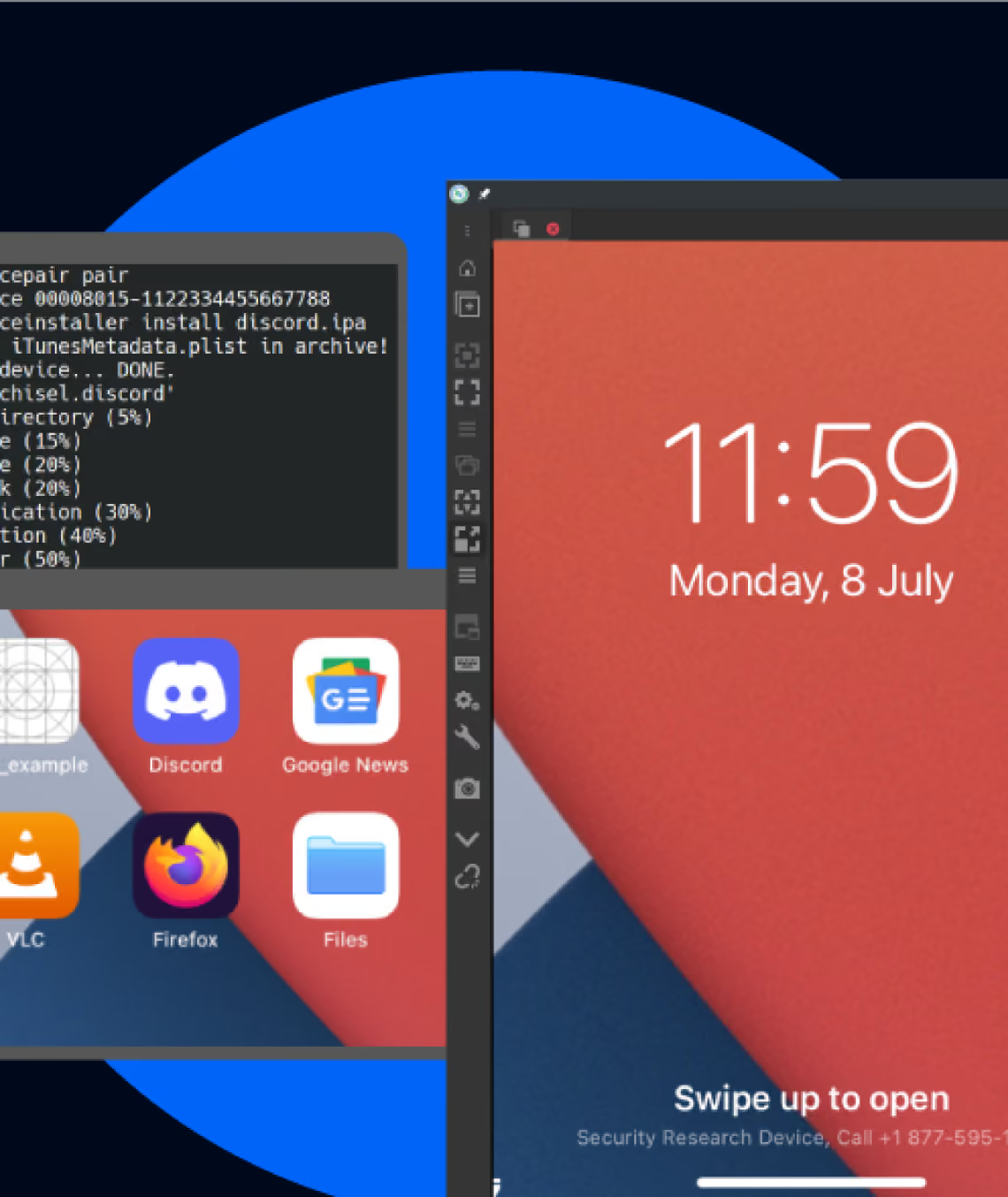
Get the foundational knowledge needed to reverse engineer an iOS application. You'll learn what an iOS application is made of, including its structure, components, and lifecycle, alongside the iOS architecture and the Swift and Objective-C languages. The module also covers the tools required for iOS reverse engineering and introduces the iOS security model and the application sandbox concept.
Learn manual static analysis techniques for iOS applications, including a systematic approach to reverse engineering. The focus is on analyzing compiled Objective-C and Swift code, building the foundation for the second part of this series.
Building on Part 1, this course focuses on understanding how an iOS application works based on the APIs it uses, such as those related to cryptography, Keychain, and file manipulation, and the frameworks it relies on, such as UIKit, SwiftUI, SpriteKit, or RealityKit.
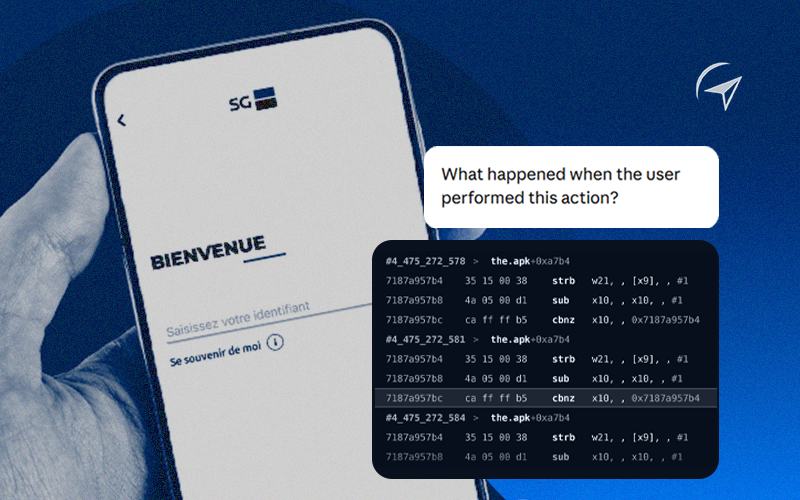
Learn dynamic analysis techniques to understand how an iOS application works at runtime. You'll cover the full process, from repackaging the application to using debuggers and instrumentation frameworks.
Over 10 Years of Hands-On Expertise.
Effective security testing comes from the combination of the right tools, deep technical knowledge, and the people who know how to apply them. eShard has spent over 10 years developing all three, and our coaching programs put that same expertise directly in your hands.

Frequently Asked Questions

Most courses can be delivered online. Some modules, particularly those involving lab equipment, require onsite presence. Onsite training can be held at eShard's headquarters in Bordeaux, France, or at your own premises. The delivery format can be discussed and agreed upon before the final proposal.
Prerequisites vary by module. Some courses include introductory content for participants new to a topic, while others assume prior knowledge of cryptography or security testing. Each module page indicates the expected background.
Most programs accommodate 3 trainees per coach. Based on our experience, this ratio ensures everyone progresses at the same pace and gets the most out of the session. Contact us to discuss larger groups or custom arrangements.
Yes. Training programs are tailored to each team's technical level and objectives. If your team works on specific targets or protocols, this can be factored into the program before the session begins.